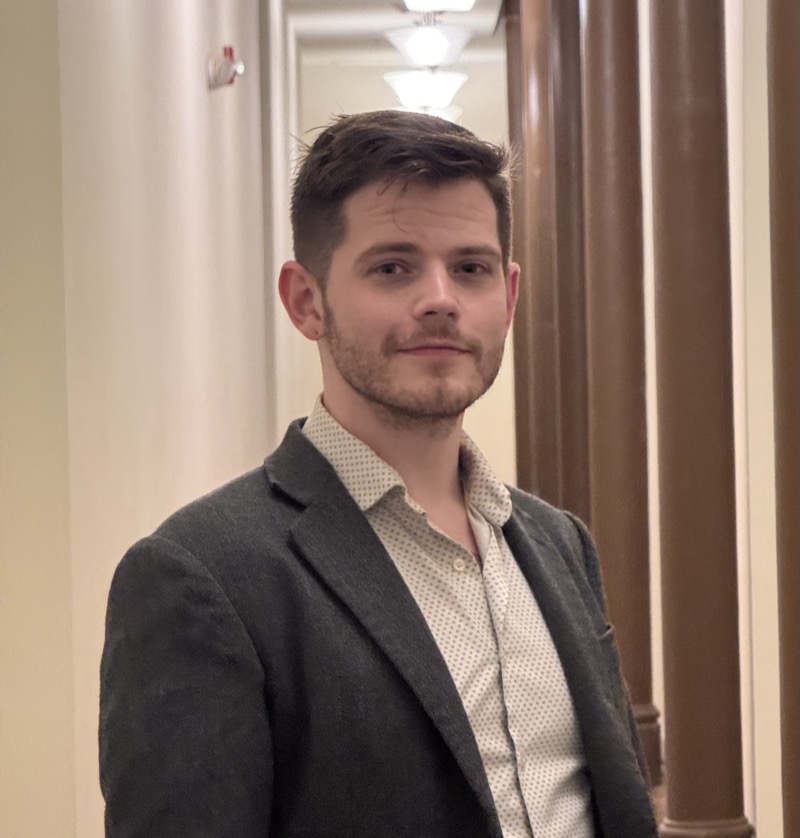
Guy Riggins
I manage disaster preparedness programs and develop the volunteers who serve them. I've recruited and trained 150+ disaster responders, deployed across 6 states for large-scale operations, and built training curricula that are now standard across our Red Cross chapter. Whether I'm coordinating preparedness exercises with county emergency managers, running a shelter during a hurricane, or designing a new volunteer certification course, it comes down to the same thing: getting people ready so they can show up and do the work when it matters.
Teaching & Learning
I believe instructors have an obligation to the safety of their students and the ability to facilitate an educational process that is conducted efficiently, whether in person or remotely.
Instructors should bring an open mind and positive attitude into the classroom and remain consistent with expectations. I see learning as something the instructor facilitates while engaging in alongside the students. The instructor acts as a discursive facilitator of course materials and invites students to relate the meaning they find throughout the course materials in their everyday lives.
I provide students with an environment in which they can evoke the meaning that their learning process has in their everyday lives, including choosing which lessons they would like to participate in constructing in groups. This gives students a choice in how to identify the relevance of the course material and how to interpret the significance it has to their ability to grow. It also helps students practice interpersonal communication by working cooperatively with peers to construct and deliver content that is intended to be educational.
Students benefit from working alongside one another while using technology in the classroom, as many come from diverse backgrounds and share a wide range of technical skills. Peer-to-peer interaction is inherently educational and a vital element in guiding students to adapt messages to diverse audiences. Students gain a unique perspective from the relationships they form with their peers in these discursive spaces of their own creation, particularly in working to manage communication apprehension as a group.
My Approach to Training Programs
Every training program I build starts with a simple question: what does success look like for the learner and the organization? Not what content needs to be covered, but what will people actually be able to do differently when they're done, and how do we know it's working? This learner-centered approach shapes everything from needs analysis to final assessment.
I lean heavily on storytelling and scenario-based learning. Adults learn best when they can connect new information to their existing experience and see immediate relevance to their work. Whether I'm designing compliance training or leadership development, I build hands-on practice that mirrors real situations learners will actually face.
Good training doesn't exist in a vacuum. It has to connect to what the organization actually needs. I think about how training fits into the bigger picture: does it support the mission? Can we measure whether it's working? Will it hold up when we roll it out to a new region or a new group of volunteers? The best programs I've built work the same way whether I'm in the room or not.
How I Build Training Programs
I've learned the most from building training in environments where the stakes are real and the timelines are tight. Disaster response doesn't wait for a perfect curriculum. Volunteers need to be ready now, and the training has to work the first time they use it. That pressure has shaped how I approach every project, whether it's preparing Red Cross responders or onboarding healthcare employees across 12 facilities.
My process comes down to three things: figure out what people actually need to do, build practice around real situations, and make sure the program works without me in the room.
Start with What Is Needed
Focus on performance outcomes, not content coverage. What does the learner need to be able to do on day one? Every design decision works backward from that answer.
Build Around Real Scenarios
Use storytelling and hands-on practice from actual field experience. Adults learn by connecting new information to what they already know and seeing immediate relevance to their work.
Design for Scale and Handoff
Training that only works when I'm in the room isn't a real program. I build so others can deliver it consistently, whether it's in Arkansas or North Carolina.
From Classroom to Program Leadership
My path started in the classroom. As a graduate teaching assistant and later adjunct instructor, I discovered my passion for developing people and helping them succeed. I found myself spending as much time thinking about how to teach as what to teach, always experimenting with new ways to get students engaged and keep them learning.
That foundation grew when I became a Program Director at The College of Health Care Professions, where I managed a team of training developers and subject matter experts delivering curriculum across 12 healthcare facilities serving 1,200+ employees. I led a full curriculum redesign, maintained Joint Commission and HIPAA accreditation compliance, and built automated tracking systems. That's where I learned how to run programs, not just design content.
Today, as a Community Disaster Program Manager with the American Red Cross, I do a bit of everything: recruiting and developing volunteers, managing partnerships with 15+ agencies, deploying to disaster operations (including serving as Sheltering Supervisor during Hurricane Helene), and designing training programs like the 'In a Day' curriculum that have become standard across our chapter. What ties it all together is making sure the people we train are actually ready when the call comes.
Master of Arts, Communication and Media Studies
Arkansas State University, 2022
Focused on instructional communication, adult learning theory, and curriculum design
Bachelor's Degree, Communication Studies & Sociology
Arkansas State University, 2018
Foundation in communication theory and research methods
Project Management Certificate
The College of Health Care Professions
Program management and project leadership fundamentals
Associate of Arts, General Studies
Black River Technical College, 2016
Core academic foundation and general education coursework
Let's Work Together
Looking for a training program manager who builds practical, results-focused curricula?